
Search info
What Are You Looking For?
When designing an RFID system, most people focus on the reader and tags. But the UHF RFID antenna is where the radio waves actually leave the system and interact with the physical world. Choose the wrong antenna, and even the best reader will struggle. Choose the right one, and you can extend range, reduce false reads, and simplify installation.
In harsh or space‑constrained environments – outdoor vehicle portals, waste collection trucks, freezer warehouses, retail checkouts – antenna selection becomes even more critical.
Here are the key factors we consider when helping integrators choose antennas from our new AN0xS series (ultra‑thin, high‑gain, IP67).
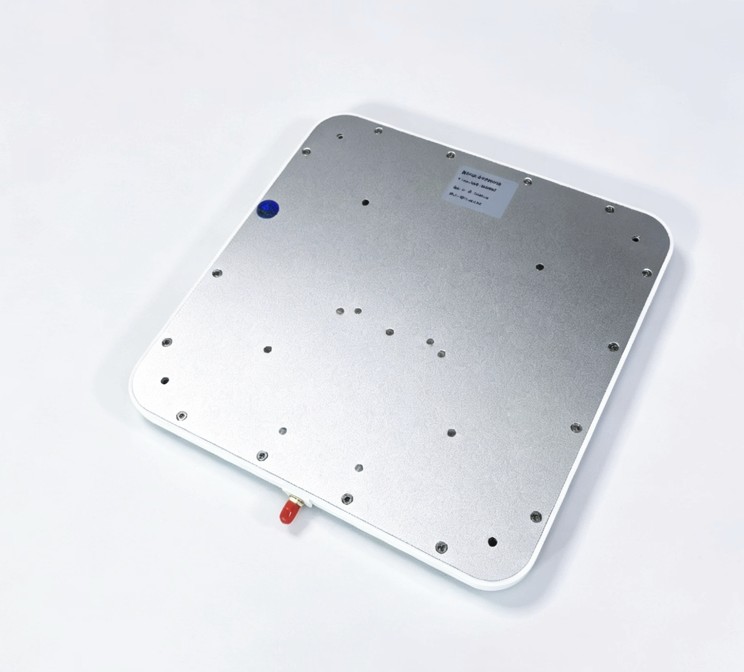
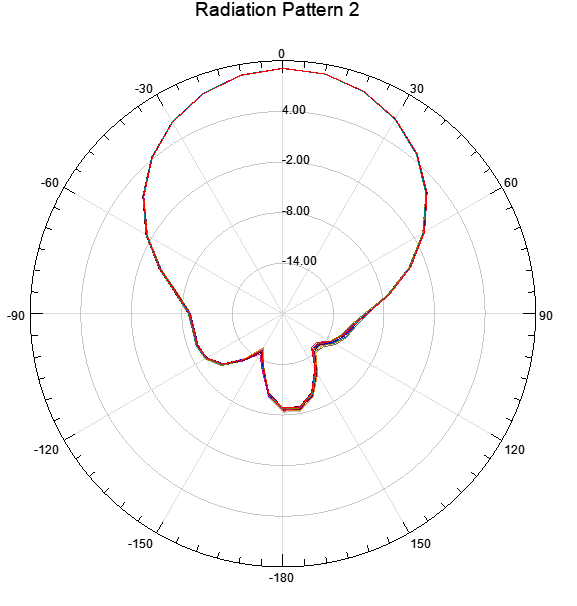
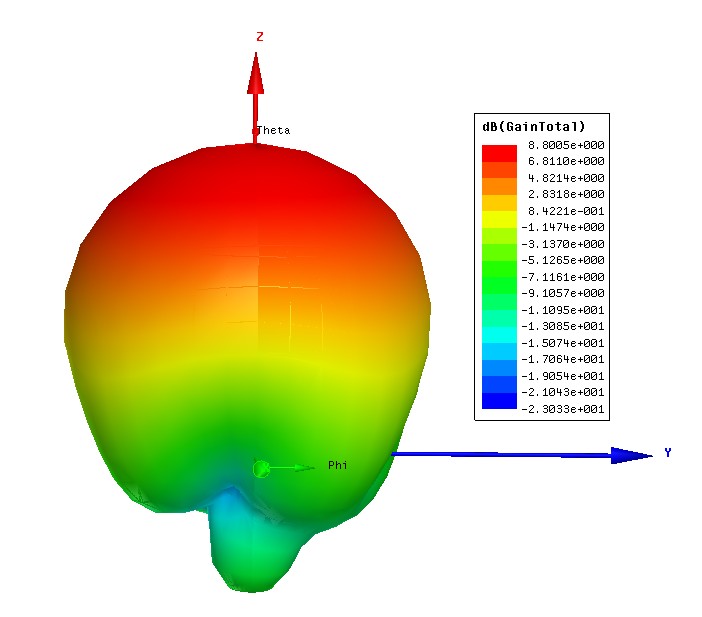
Antenna gain (measured in dBic for circular polarization) determines how focused the energy is. Higher gain means longer read range and better penetration through materials like cardboard or plastic – but also a narrower beamwidth.
| Model | Gain | Typical use case |
|---|---|---|
| AN05s | 5.5 dBic | Short‑to‑mid range, wide coverage (100° beam) – e.g., retail shelves, conveyor belts |
| AN08s | 8.5 dBic | Mid‑to‑long range, moderate beam (68°) – e.g., dock doors, parking gates, waste trucks |
For a garbage truck reading bin tags on the side of the road, you want high gain to reach the bin despite dirt and angle. For a smart shelf inside a store, lower gain with a wide beam is better.
A wider beam (e.g., AN05s with 100°) covers more area but with less energy per square meter. A narrower beam (AN08s with 68°) concentrates energy, reaching farther tags but requiring more precise aiming.
In a dock door portal, you typically want a narrow beam (to avoid reading tags outside the door) but positioned carefully. In a retail backroom, a wide beam mounted overhead covers an entire aisle.
Both AN05s UHF RFID Antenna and AN08s Circularly Polarized Antenna are rated IP67. That means dust‑tight and waterproof up to 1 meter immersion. For outdoor installations – ETC gantries, parking barriers, waste trucks – this is non‑negotiable. Without IP67, moisture ingress will detune the antenna and corrode internal connections within months.
Our antennas also survive -40°C to +105°C. That’s freezer‑to‑desert range. No special cold‑weather or hot‑weather variants needed.
Space is often tighter than you think. Inside a barrier arm, behind a price tag shelf, or between conveyor rollers – the antenna must fit. At only 15 mm thick, the AN05s and AN08s can be flush‑mounted almost anywhere. The side‑exit SMA connector further reduces required depth.
Axial ratio ≤2 dB means the antenna maintains circular polarization with very little distortion. This is critical when tags are randomly oriented (e.g., items tossed into a bin, or windshields at various angles). Poor axial ratio creates “dead zones” where tags become unreadable no matter how much power you apply.
VSWR ≤1.3 means >95% of the power from your reader actually reaches the air, instead of reflecting back and damaging the RF amplifier. High VSWR can overheat and permanently damage expensive readers. We test every antenna on a vector network analyzer before it leaves our factory.
Scenario A – Waste collection truck
Challenge: Vibration, rain, dust, wide bin positions, angled reads.
Recommended antenna: AN08s (8.5 dBic gain, narrow beam to focus energy where the bin will be, IP67, wide temperature range).
Mounting: Side‑mounted on the truck arm, with connector protection backplate to absorb cable strain.
Scenario B – Retail self‑checkout kiosk
Challenge: Very limited space, close‑range tags, aesthetic appearance, occasional mobile phone interference.
Recommended antenna: AN05s (5.5 dBic, wide 100° beam covers the entire bagging area, ultra‑thin fits inside the kiosk housing).
Mounting: Flush inside the countertop, pointing upward.
Don’t guess your antenna. Use the antenna’s datasheet – especially the radiation pattern and VSWR plot – to simulate coverage before you cut holes or weld brackets. And if you are not sure, ask the manufacturer to loan you a sample. A three‑day test with a real antenna is worth weeks of theoretical calculation.
SeeMore IoT offers free antenna testing and integration advice. Contact us with your floor plan and tag samples, and we will recommend the optimal model.

Tel : +8618682338756
Email : info@seemoretek.com
Whatsapp : +8618682338756


© 2026 SeeMore IoT Technlogy Co.,Ltd. All Rights Reserved.