
Search info
What Are You Looking For?
In the current retail landscape, where "value" is the primary driver of consumer loyalty, Decathlon stands out as a model of operational efficiency. While the brand is known for its affordable pricing and strict cost control, it has also been a pioneer in adopting advanced technology. Since implementing RAIN RFID solutions over a decade ago, Decathlon has proven that investing in digital inventory tools is the ultimate cost-saving measure.
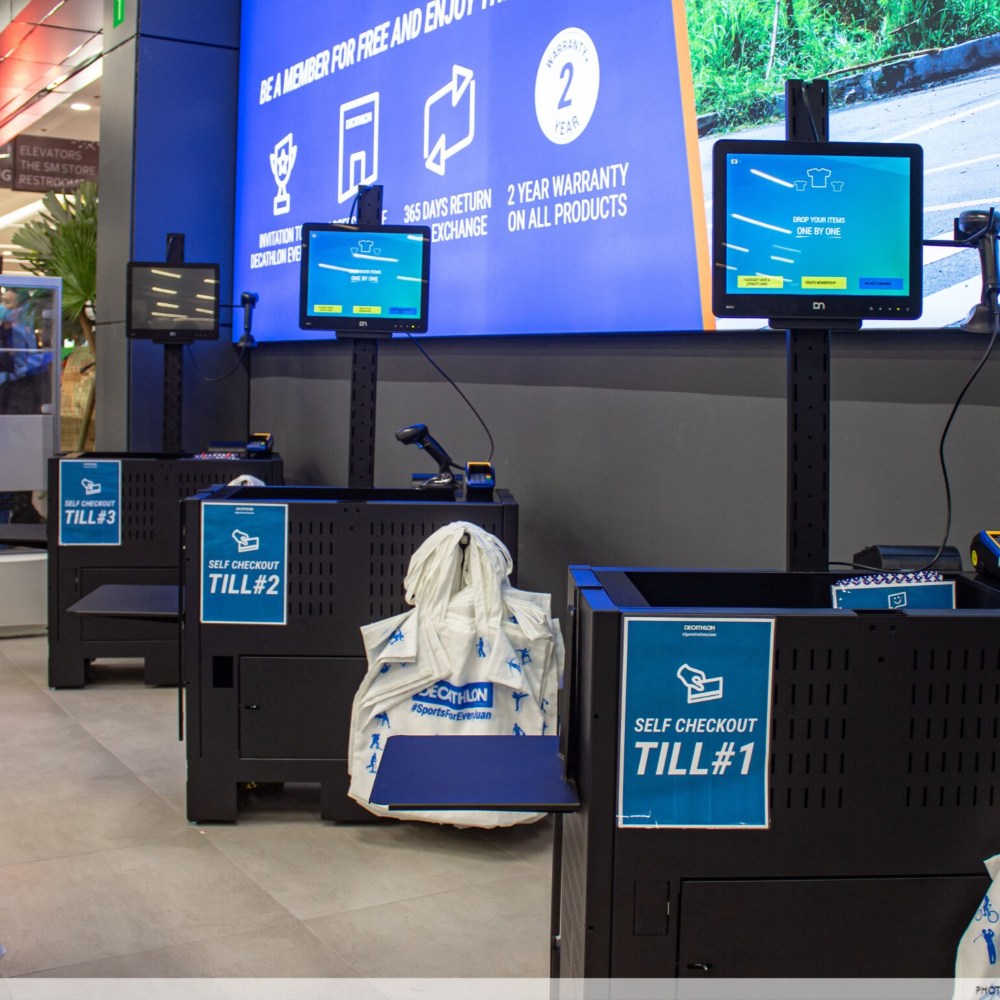
Decathlon"s business model relies on high inventory turnover and minimal waste. Traditional inventory methods were too slow and labor-intensive to support a network of large-format stores. By embedding UHF RFID tags into product labels at the factory level, Decathlon created a closed-loop data ecosystem spanning production, logistics, and the retail floor.
Manual stock-taking is a thing of the past. Where it once took a team of 80 employees a full 12-hour shift to count a large store, RFID system now finish the job in hours .
Result: Store associates are re-deployed from the stock room to the sales floor, improving customer service without increasing headcount.
For any retailer, "out of stock" means lost revenue. RFID gives Decathlon a real-time map of every item stock
Result: The company has seen a 9% reduction in shrinkage (lost or stolen goods) and a significant boost in inventory accuracy, ensuring popular items are always available for purchase .
Visibility isn't just about finding stock; it's about understanding what sells. RFID data allows Decathlon to identify "hot" categories immediately. This allows for agile production cycles to replenish trending items rapidly.
Result: A reported 5% increase in sales attributed to better product availability and market responsiveness .
Speed at checkout is a key part of customer satisfaction. With RFID-enabled self-checkout, Decathlon has reduced transaction times by up to 50%, as 100% of products in a basket are read instantly .
According to the "AIoT Star Map Institute" report, the global retail apparel sector utilized 27.6 billion RFID tags in 2022 . As tag costs continue to decline, the barrier to entry lowers. However, Decathlon"s example shows that the true value of RFID lies not in the cost of the tag, but in the supply chain efficiency, labor savings, and data-driven agility it provides.
For retailers looking to replicate Decathlon"s success, the message is clear: RFID is the key to unlocking profitability in a value-driven market.

Tel : +8618682338756
Email : info@seemoretek.com
Whatsapp : +8618682338756


© 2026 SeeMore IoT Technlogy Co.,Ltd. All Rights Reserved.