
Search info
What Are You Looking For?
As emerging democracies across Africa, Southeast Asia, and Latin America accelerate their digital transformation initiatives, the demand for secure, field-deployable biometric authentication devices has reached unprecedented levels. Electoral commissions, national ID registration authorities, and social protection programs are increasingly turning to rugged handheld terminals equipped with high-precision fingerprint sensors to ensure identity integrity in some of the world's most challenging environments.
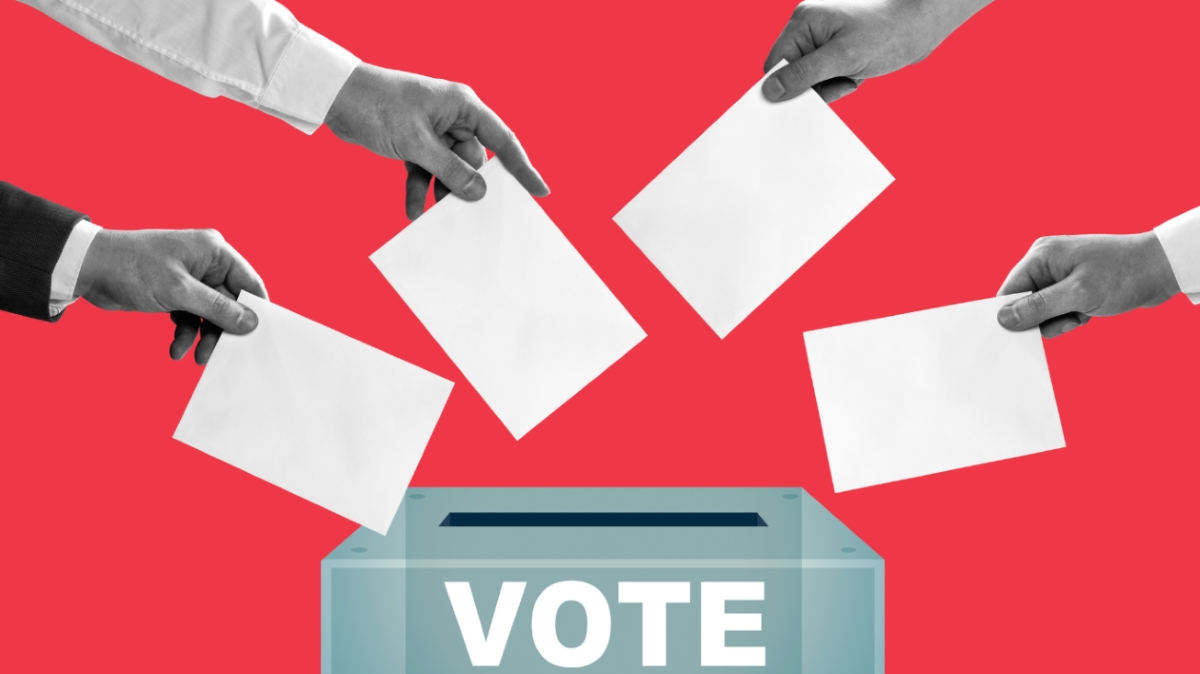
Biometrics: The New Standard for Electoral Credibility
The adoption of biometric technology in electoral processes has moved from experimental to essential. Following successful implementations in countries such as Brazil, India, and Ghana, nations across the African continent are rapidly modernizing their voter registration and verification infrastructure.
Uganda's preparations for its 2026 General Elections exemplify this trend, with the Electoral Commission deploying Biometric Voter Verification Kits to tens of thousands of polling stations nationwide. The objective is clear: eliminate ghost voters, prevent impersonation, and restore citizen confidence in democratic processes. Similar initiatives are underway in Nigeria, where the Independent National Electoral Commission continues to refine its biometric registration database, and in Liberia, where post-conflict democratic consolidation relies heavily on credible voter rolls.
The Unique Challenge of Field Deployment
What makes these applications particularly demanding is the operating environment. Polling stations in rural Africa, remote Asian villages, or high-altitude Latin American communities share common challenges: unreliable electricity, limited internet connectivity, extreme temperatures, dust, and humidity. Commercial-grade consumer devices simply cannot withstand these conditions, leading to equipment failures that can disrupt voting and undermine public trust.
This reality has driven demand for purpose-built hardware that combines three critical attributes:
Military-grade ruggedness: Devices must withstand drops, dust, water, and temperature extremes without compromising performance.
High-precision biometrics: Fingerprint sensors must reliably read worn or weathered fingertips common in agricultural populations, with low False Acceptance Rates to prevent fraud.
Extended battery life: Field teams require all-day operation without access to charging infrastructure.
Beyond Elections: A Platform for Civic Infrastructure
The utility of rugged biometric handhelds extends far beyond election day. Across Africa and Asia, governments are leveraging the same devices for:
National census and civil registration: Capturing accurate citizen data in real-time, preventing duplicate entries, and building foundational identity systems.
Social protection programs: Verifying beneficiaries for government-to-person payments, ensuring subsidies, pensions, and emergency relief reach intended recipients.
Healthcare campaigns: Supporting vaccination drives, patient tracking, and health worker authentication in remote clinics.
Law enforcement and public safety: Enabling field identification and secure access to criminal databases.
Technology Requirements Driving Procurement
Procurement specialists and program managers evaluating these solutions prioritize several key specifications:
IP66 or higher ingress protection ensuring complete dust resistance and protection against powerful water jets
1.5 meter+ drop tolerance to survive accidental falls during field use
508 DPI or higher fingerprint sensors with Ministry or international certification for accuracy
Removable high-capacity batteries supporting 10+ hours continuous operation
Android-based platforms with SDK support for custom application development
Optional modules including 1D/2D barcode scanning, NFC for contactless ID cards, and high-precision GPS for asset mapping
Market Outlook
The global market for biometric systems in government applications continues to expand rapidly. According to industry analysts, the convergence of digital identity initiatives, election integrity programs, and social protection modernization is driving sustained demand for rugged field devices. As more nations commit to "One Man, One Vote" principles and transparent governance, the hardware that enables these commitments becomes not just a tool, but a foundation of democratic resilience.
For program managers, election officials, and technology partners working in these sectors, selecting the right hardware partner means balancing security, durability, and total cost of ownership across multi-year, multi-million citizen programs.

Tel : +8618682338756
Email : info@seemoretek.com
Whatsapp : +8618682338756


© 2026 SeeMore IoT Technlogy Co.,Ltd. All Rights Reserved.