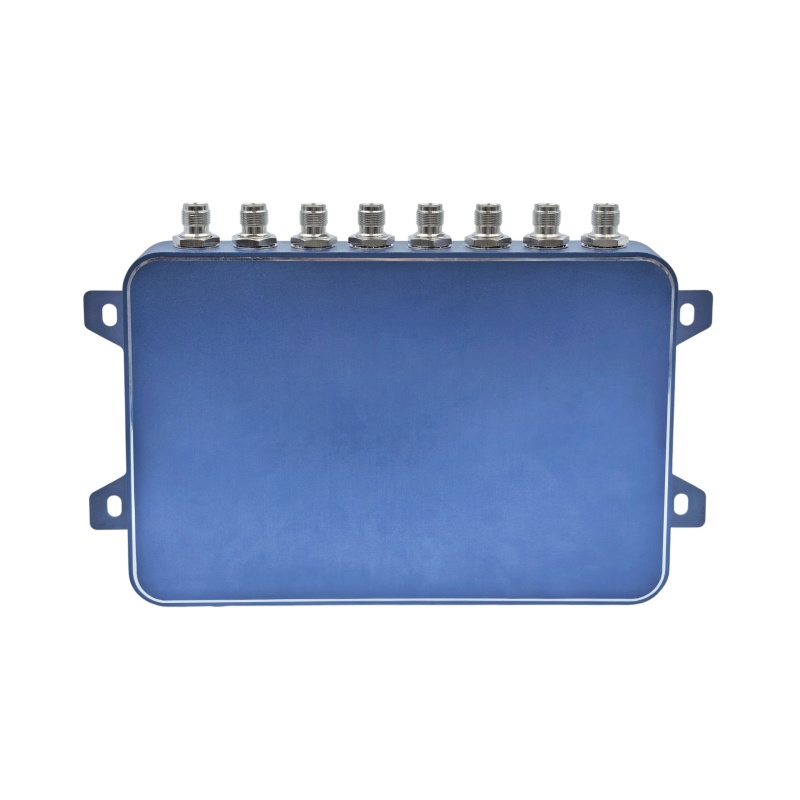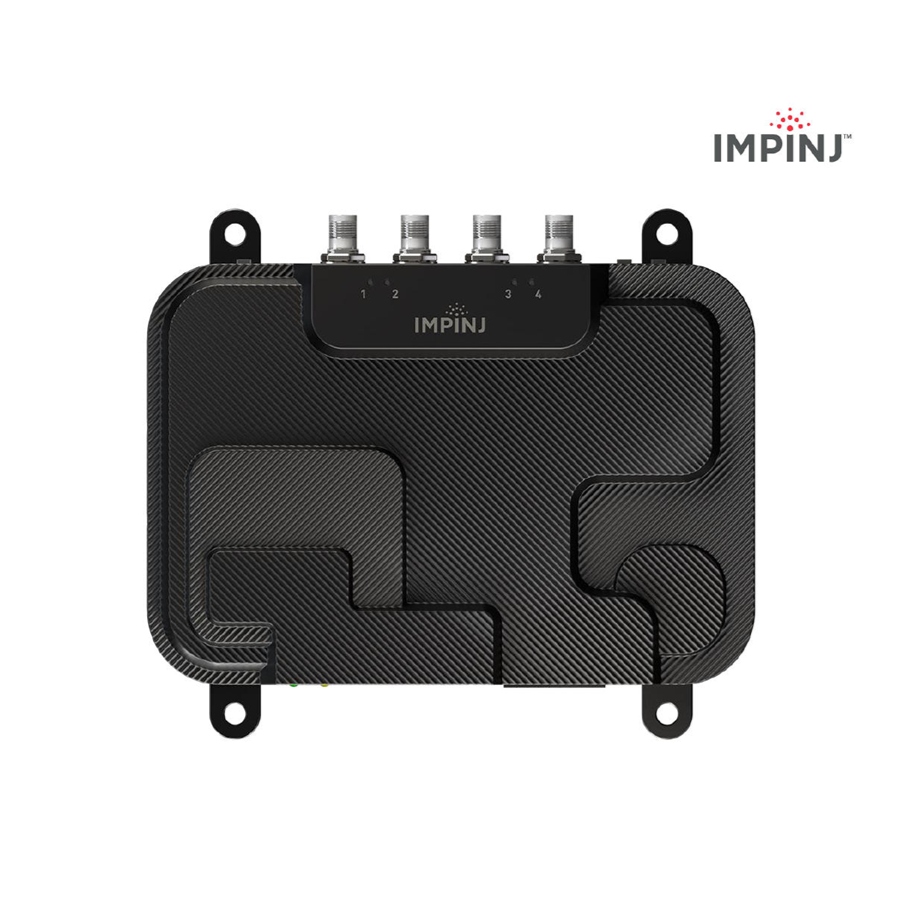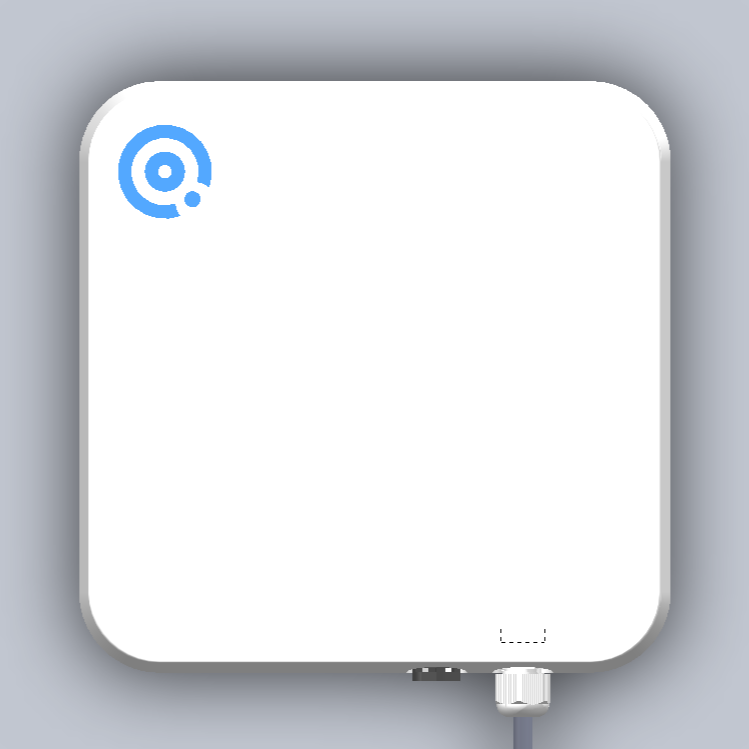
FR58A is is a eight-port UHF RFID reader based on the latest Impinj E710 RF chip architecture, featuring exceptional reading distance and ultra-fast response capabilities, capable of effortlessly handling massive data collection needs in high-density tag environments.
This reader is equipped with the open-source Linux 5.10 operating system and 8GB of high-capacity memory. It can function not only as a simple read-write front-end but also independently run user-defined application software, enabling edge-side preprocessing such as data filtering and business logic orchestration. With a built-in AI computing acceleration module, it provides localized inference support for intelligent scenarios like image recognition and behavior analysis, significantly reducing reliance on the cloud and transmission latency.
In terms of data transmission, the reader supports HTTP Post and MQTT industrial grade IoT protocols, which can seamlessly integrate with various cloud platforms or local servers; Simultaneously supporting a web-based graphical configuration interface, device debugging and parameter management can be completed without programming. Simultaneously providing multilingual SDK development packages (supporting C/Python/Java/Node.js, etc.), allowing developers to quickly test and verify the feasibility of project implementation.
FR58A is is a eight-port UHF RFID reader based on the latest Impinj E710 RF chip architecture, featuring exceptional reading distance and ultra-fast response capabilities, capable of effortlessly handling massive data collection needs in high-density tag environments.
This reader is equipped with the open-source Linux 5.10 operating system and 8GB of high-capacity memory. It can function not only as a simple read-write front-end but also independently run user-defined application software, enabling edge-side preprocessing such as data filtering and business logic orchestration. With a built-in AI computing acceleration module, it provides localized inference support for intelligent scenarios like image recognition and behavior analysis, significantly reducing reliance on the cloud and transmission latency.
In terms of data transmission, the reader supports HTTP Post and MQTT industrial grade IoT protocols, which can seamlessly integrate with various cloud platforms or local servers; Simultaneously supporting a web-based graphical configuration interface, device debugging and parameter management can be completed without programming. Simultaneously providing multilingual SDK development packages (supporting C/Python/Java/Node.js, etc.), allowing developers to quickly test and verify the feasibility of project implementation.